Substance (Use Overuse Abuse Dependency) Counselling
The best vision is insight. Malcolm S. Forbes

The Centre for Stress Management executive director and senior psychologist has worked in substance abuse and addiction for over 25 years in the U.S. and Asia as a clinician, consultant to drug rehab centres, guest speaker at schools and businesses internationally, clinical supervisor for substance abuse counsellors, and research and author of treatment programs with evidence-based science in habits and addiction. We recognize that human behavior with devices, pornography, sexuality and various legal and illegal substances exist on a human behavior continuum: from experimentation, to use, at times overuse, sometimes to abuse and for some addiction. In other words, not all cocaine users or daily online gamers are addicts, not everyone who gets intoxicated is an "alcoholic," and not all who seek intimacy or love on a regular basis is a sex addict. The overgeneralization, the quick to label and pathologize, and the message "you have a disease for a lifetime" is NOT how we practice the art and science of substance experimentation, use, overuse, abuse and addiction services.
You can't change what's going on around you until you start changing what's going on within you.
A primary focus in our substance abuse programs is "the power of habits" and how they play in substance abuse. Traditional substance abuse counselling generally focuses on the substance abuse habit if you will and to stop that habit. Our program not only focuses on stopping the substance abuse habit, but more importantly, we collaborate with our clients on how to develop stronger and more healthier habits that our clinical experience shows dramatically decreases the cravings for a substance and as well the risk for relapse. Our substance abuse counselling program is educational, behavior and cognitive based, and comprehensive from detox, medication if required, regular counselling, family support and lifelong after care services.
Noted below is a very brief overview of the areas we provide state of the art counselling and medical services with devices, sexuality and substances in particular:
USE: unlike other centres that only focus on treating the overuse, abuse or addiction clients, we also work with clients who want to learn how to manage their world of habits from food, to devices, to money, sex and alcohol and prescribed medications so they remain safe and sustain positive well-being practices in all areas of life. This includes teaching children and teens (and adults) on device and internet use, adults on responsible drinking, and clients with medication management to avoid medication abuse and addiction;
OVERUSE: our overuse program educates our clients how to develop various stress management and well-being skills so there is not a psychological dependence and overuse of medication, devices and substances to deal with life's challenges and healthcare issues. A good example here is the client who overuses sleep aides for a sleep disorder instead of practicing his good sleep behavior program. A key difference between the "over-user" and the abuser is the frequency of use, psychologhical dependency factors, and quantity of the device or substance;
ABUSE: this client has a strong psychological dependence on a device or substance to either "take the edge off" or "get happy or happier" in his or her daily life. Not all clients who abuse substances become addicts but the risk grows as the abuse of a substance becomes a chronic habit and the substance is the primary choice to deal with stress and psychological pain. In our substance abuse program we look at lifestyle habits and stress to disconnect the psychological dependency on a substance and instead develop a healthy set of well-being habits of decreasing stress and/or increasing joy;
DEPENDENCY (ADDICTION): there remains a great debate over what is the correct operational definition of addiction in the medical and healthcare professions. Some argue it is a brain disorder, others a mental illness. Some practitioners impress upon others it is a mood regulation, poor choice and decision making habits, and even a lifetime disease. We see addiction as a serious medical - psychological healthcare habit that requires close collaboration between a medical doctor and a trained psychologist to protect life, ensure their is a comprehensive set of assessments and medication-therapy treatments, and that family members are included in the program. We use both out-patient and drug rehab treatment services to continually monitor risks for relapse, physical and psychological negative consequences, withdrawal symptoms and recovery.
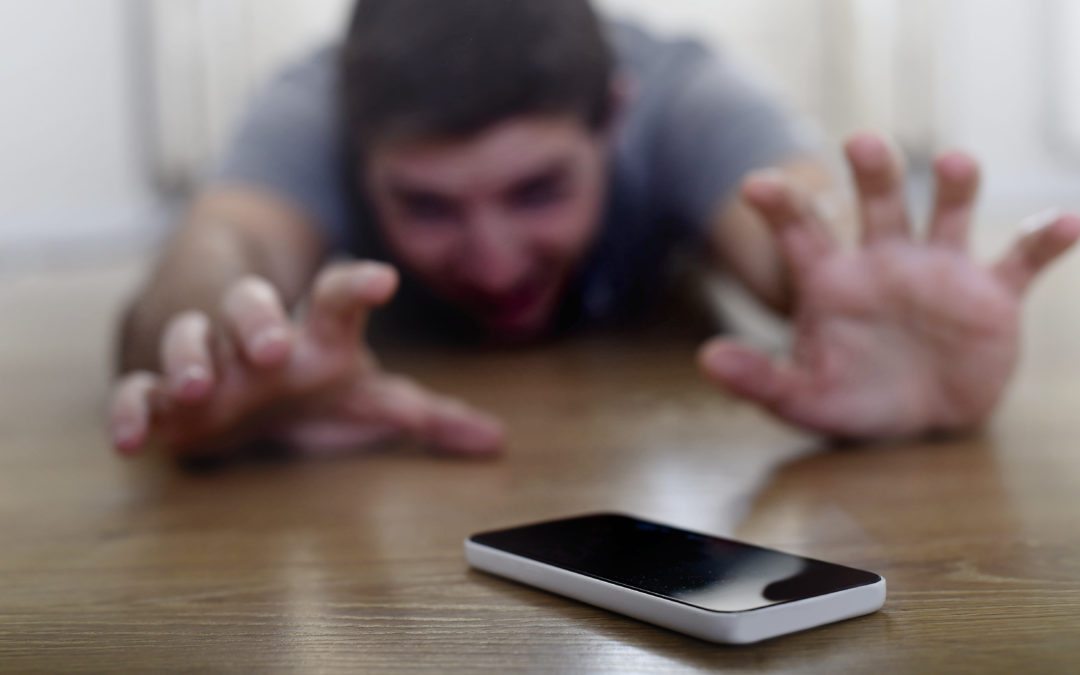
Devices
Our device program is age-based (children, teens, adults) in both prevention and treatment counselling tracks with a view that technology and devices are actually positive elements of our daily lives in social, work and academic circles. Clients learn how to avoid physical and mental adverse affects with devices, brain-based ways to enhance cognitive performance with devices, and how to spot device-based unhealthy habits. This service is also for schools, parents and organizations.
Porn and Sex
Online pornography and sex addiction is a serious social concern for both teens and adults. Our programs in this area is sensitive to the moral, relationship, cultural, medical and psychological elements to remove the misunderstandings and mysteries about human sexuality and how sexual desire and satisfaction are key triggers for possible abuse and addiction. Our counselling provides a safe and non-judgmental place for a client to explore the range of sexual behaviors.
Substances
Our substance abuse program deals with both legal and illegal drug use, overuse, abuse and addiction habits. Our counselling is client specific with a careful assessment of both the medical and psychological assessment to determine what services are required from medication to detox to rehab and out-patient counselling. Our substance abuse counselling also provides support for families and employers to increase the speed and effectiveness of recovery.